
The Male Background and Early Allies
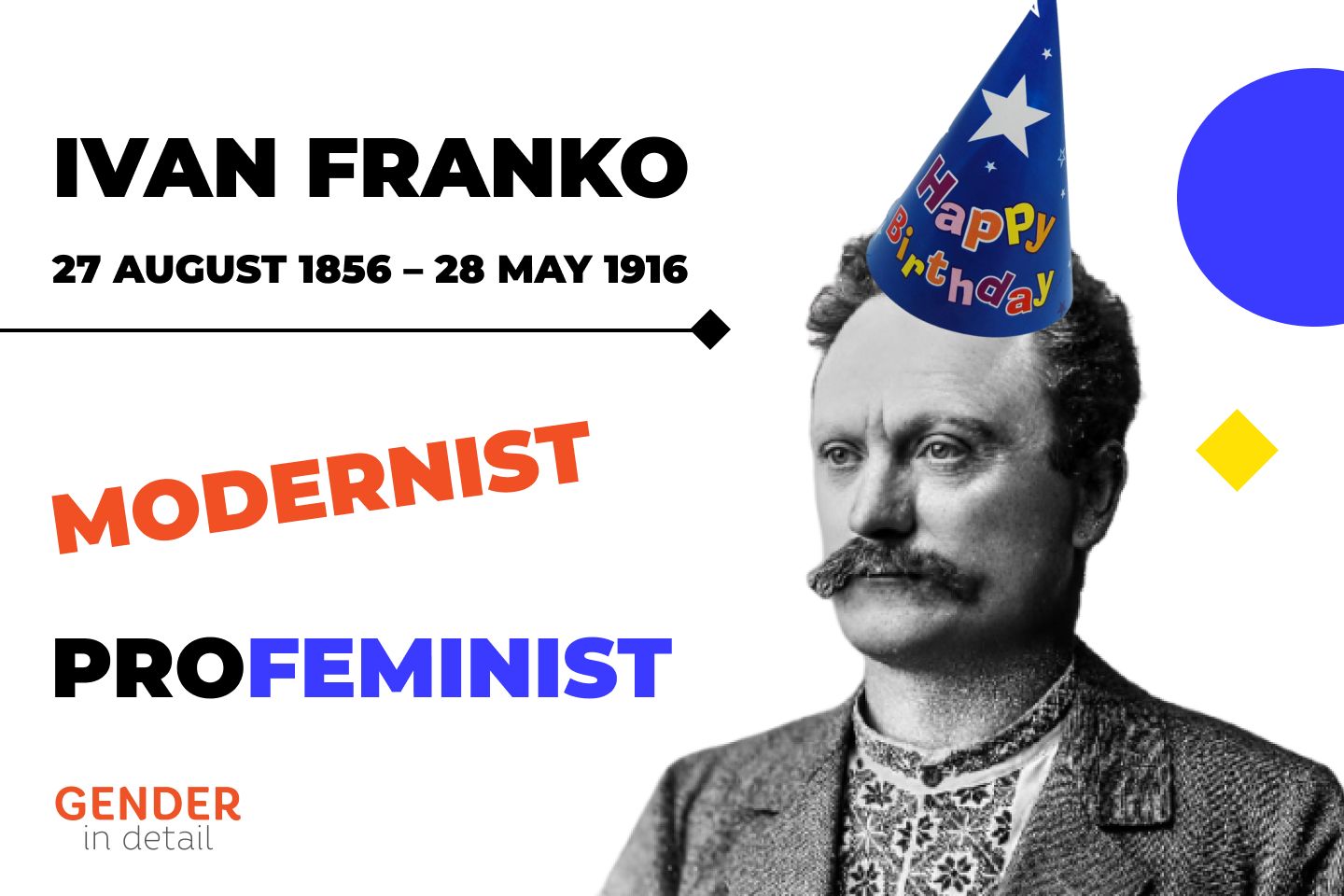
When reviewing the historical development of the Ukrainian women’s movement, attention usually centers on its notable female founders such as Nataliya Kobrynska, Olena Pchilka, Sofiya Rusova, Ulyana Kravchenko, and others. Yet, behind these early struggles stood significant male antecedents and the active support of respected advocates of women’s issues—including Ivan Franko, alongside Mykola Hankevych, Mykhailo Drahomanov, Mykhailo Pavlyk, Vasyl Polyansky, and Volodymyr Shukhevych. However, this male reception of the women’s movement was sometimes ideologically marked by socialist slogans and lacked conceptual consistency within society. Even among supporters, there was no consensus regarding the nature and methods for addressing women’s issues.
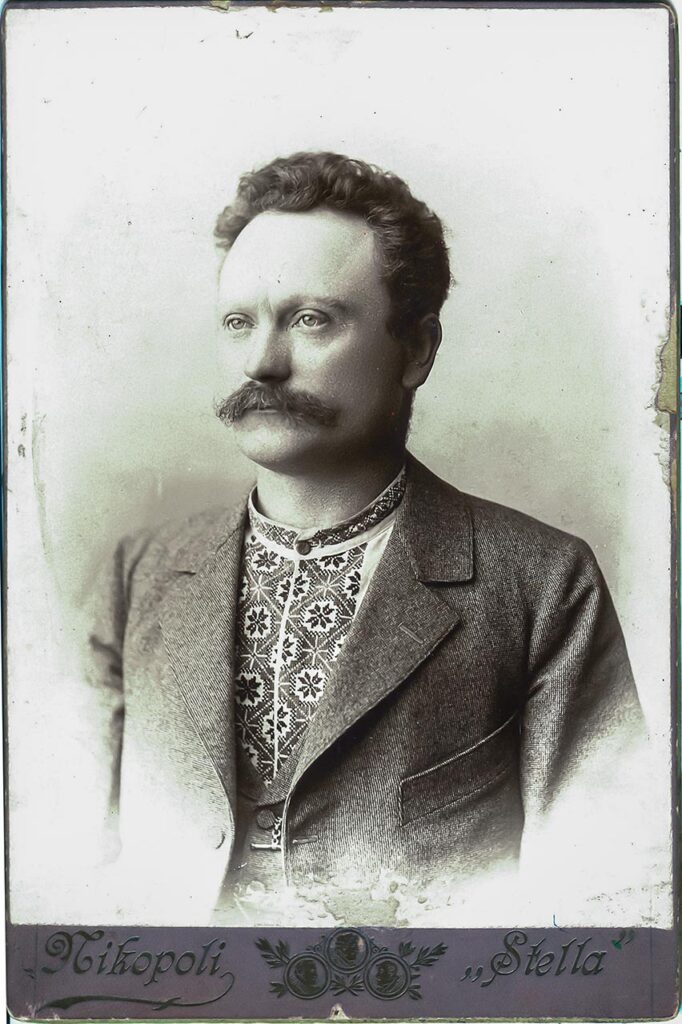
A telling sign lies in Franko’s correspondence with Mykhailo Pavlyk (circa October 10, 1879), where Franko warned against singling out the women’s question apart from other social issues: “Neither does the women’s question stand out particularly sharply from among other issues…on the contrary, it recedes into the background (public economy, schools, etc.), and talking about it last year possibly did more harm than good.” He further expresses the view that influencing women’s progress in worldview is better done through sciences than through depictions of everyday women’s lives.
Franko’s Position: Pro-Feminist but Not a Movement Member
Despite cautious descriptions of Franko as a “pro-feminist”—someone who shares feminist ideas without formal affiliation—there is ample evidence in his work and public life of a genuine commitment to women’s emancipation. Franko was ahead of his time in advocating for women’s education, equality, economic independence, supporting and mentoring emerging women writers, and engaging with noted feminists in correspondence, journalism, and literary works. Interestingly, Franko did not use the term ’feminism’ directly, instead employing related terms such as “women’s question,” “women’s cause,” “emancipation,” “equal position,” and “equal rights.”
Early Engagement and Influence
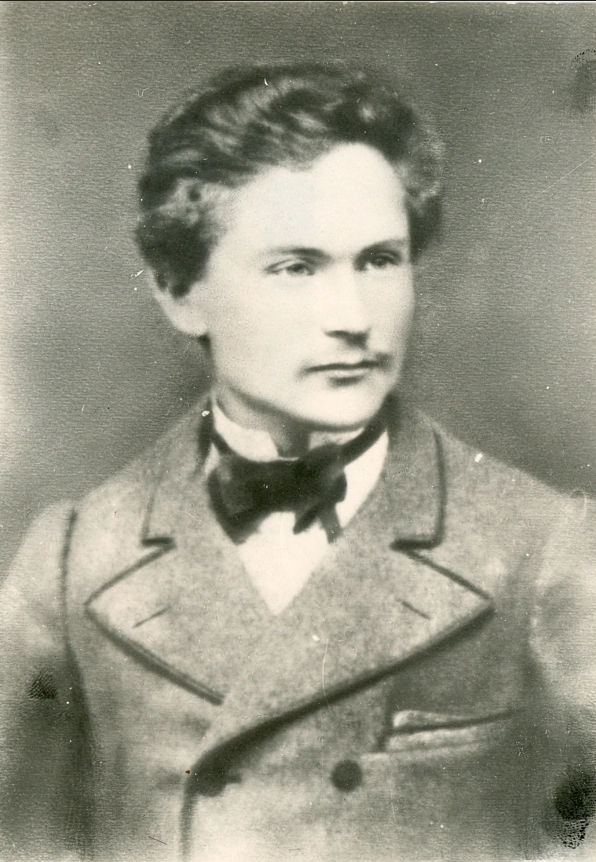
Franko’s interest in women’s emancipation began in the mid-1870s while still a student—the period of his socialist inclinations. He discussed the “women’s question” with his close friend and fellow supporter of equality, Mykhailo Pavlyk, and together they even planned to translate John Stuart Mill’s influential manifesto “The Subjection of Women.” In their letters, they reveal concerns about women remaining passive and the necessity for women to assert their own voices and identities.
Franko’s respectful attitude towards women was formed from childhood and regarded as a feature of the national mentality. In his literary memoirs, he noted the “spiritual superiority over men” of women in artisan families, who, by managing household economy, raising children, and guiding their husbands, “acquired the traits of household leaders.” He recalled: “I had the impression that women in these families, if not ruling, then at least shared an equal position with men, distinguished by intelligence and energy, and above all by a sharp and tireless tongue.”
Engagement Through Literature and Activism
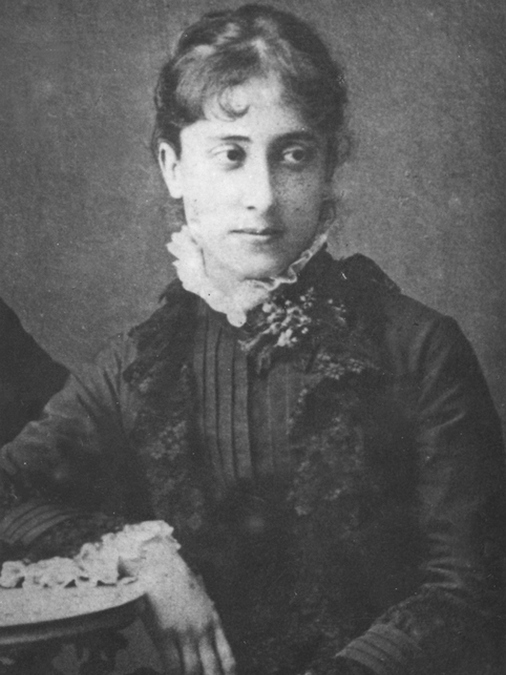
Franko’s relationships with numerous women writers—including mentoring, correspondence, editorial support, and critical engagement—were crucial in the genesis of Ukrainian women’s literature and the feminist movement. He played a decisive role in the founding of literary and advocacy societies, the editing of women’s almanacs, and supporting women’s public organization, while also sometimes offering strong editorial critique.
Modern Perspective
Franko occupies a unique position in the history of Ukrainian feminist discourse. His analytical approach, public activity, and creative work contributed significantly to gender sensitivity in national literature and social thought. While he did not explicitly call himself a feminist, his outlook and actions align closely with modern understandings of feminism—particularly in his vision of women as full participants in society, advocates of their own rights, and creators of their destinies.
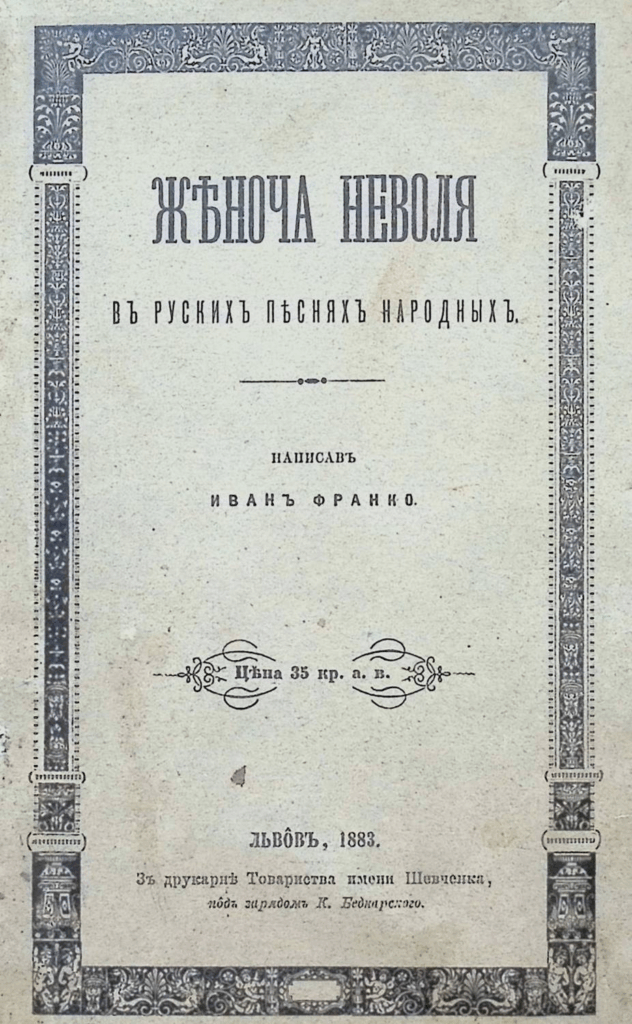
Summary: Ivan Franko is widely recognized not as a card-carrying feminist by today’s definitions, but as a profound supporter and enabler of feminist ideas in Ukraine. His progressive stance included advocacy for women’s rights, education, and equality, as well as mentorship for the emerging generation of women writers and activists. Franko’s work and collaborations placed him among Ukraine’s most important early male allies to the women’s movement, leaving a multifaceted legacy still discussed in feminist and literary scholarship today.





Leave a Reply