
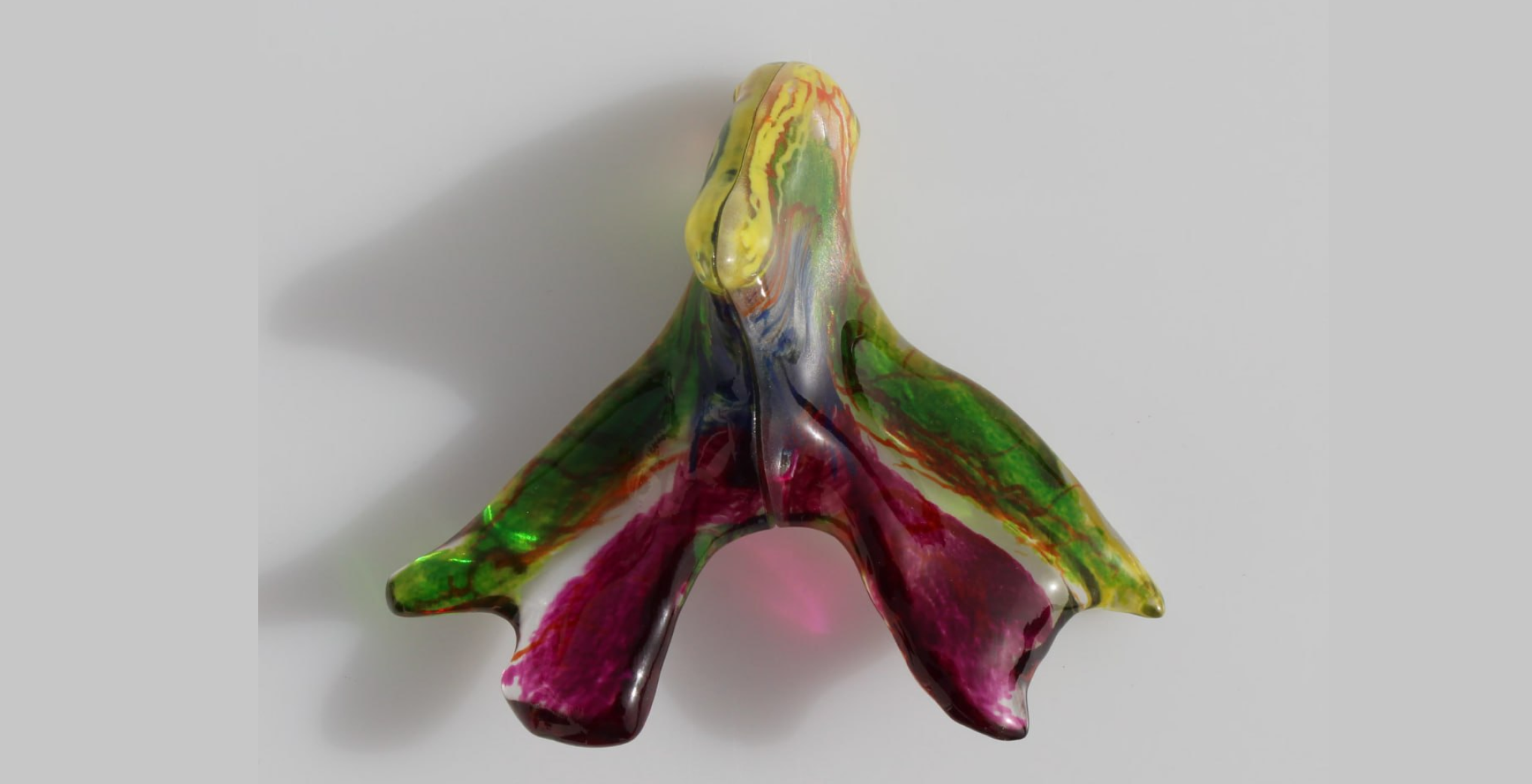
Researchers at the Amsterdam University Medical Center have used X-ray imaging and 3D scanning to study the internal structure of the clitoris.
The study identified five main branching nerves running through the organ in a tree-like pattern. The largest of these measures up to 0.7 mm in diameter. Nerve endings extend much further than previously believed — from the pubic mound to the clitoral hood and labia.
The findings also challenge earlier research. Previous data suggested that the dorsal nerve weakens closer to the glans, but new scans show that it remains strong along its entire length.
These insights are particularly important for reconstructive surgery for women affected by genital mutilation. A better understanding of nerve distribution can reduce the risk of sensory loss after surgery, which currently affects around 22% of patients. It may also help prevent accidental nerve damage during procedures such as vulvar cancer treatment, labiaplasty, or gender-affirming surgery.



